
Showing posts with label anxiety. Show all posts

Friendship Recession

by Midnight Freemason Guest Contributor
Jim Stapleton


We need to have a talk about an issue plaguing America - loneliness. According to the Centers for Disease Control and Prevention, loneliness is the feeling of being alone, regardless of the amount of social contact. The problem can have severe impacts on a person’s life. Research shows that loneliness is associated with depression, anxiety, suicide, heart disease, and dementia.1 I know what you are probably thinking - loneliness must be due to the COVID-19 Pandemic. However, loneliness was increasing before the Pandemic.


For decades, there has been a friendship recession in the United States.2 A friendship recession is an increase in the amount of alone time, a decrease in the number of friends a person has, and the time devoted to friendship. The Survey Center on American Life conducted a study in 2021 looking at the friendship recession. “The survey found that since 1990, the number of men with at least six close friends decreased from 55% to 27%. Similarly, for men who identified as having zero close friends, the numbers jumped from 3% to 15%.” 3


Men aren’t the only population affected by the friendship recession, but the impact on men has been greater. It can be difficult for men to establish and maintain friendships. Overall, men are less trusting of others, they lack time and fear rejection.4 This leads to men having smaller social circles, and it appears that there is a connection between the size of a person’s social circle and levels of loneliness.5 However, men don’t have to be destined for loneliness. 


In my humble opinion, Freemasons have a cure for the friendship recession. When a man becomes a Freemason, a door is unlocked to an enormous social circle. Participating in activities like meetings, degrees, and rehearsals goes a long way toward establishing quality friendships. Traveling to other Lodges and Jurisdictions can also help to expand a man’s list of friends. Unlike superficial connections on social media, the bonds forged in Freemasonry are strong. Masons regularly encourage their Brothers to improve and rise to new challenges. Masons are there for each other when a helping hand is needed. 


Our Brotherhood can fill a void that many men feel in their hearts. That is worth celebrating and communicating to the world. That should be one of our primary messages when we communicate with prospective members.


1. “Loneliness and Social Isolation Linked to Serious Health Conditions.” Centers for Disease Control and Prevention, Centers for Disease Control and Prevention, 29 Apr. 2021, https://www.cdc.gov/aging/publications/features/lonely-older-adults.html. 


2. Witt-Swanson, Lindsey, et al. “American Men Suffer a Friendship Recession.” The Survey Center on American Life, 7 Apr. 2022, https://www.americansurveycenter.org/commentary/american-men-suffer-a-friendship-recession/. 


3. Kaplan, Jessica. “What Is a Friendship Recession and Why Are We Currently in One?” Reader's Digest, Reader's Digest, 5 Jan. 2023, https://www.rd.com/article/friendship-recession/. 


4. “The Devastating Toll of Men's Loneliness.” Psychology Today, Sussex Publishers, https://www.psychologytoday.com/us/blog/fear-intimacy/202111/the-devastating-toll-mens-loneliness. 


5. Cox, Daniel A., et al. “Men's Social Circles Are Shrinking.” The Survey Center on American Life, 7 Apr. 2022, https://www.americansurveycenter.org/why-mens-social-circles-are-shrinking/. 
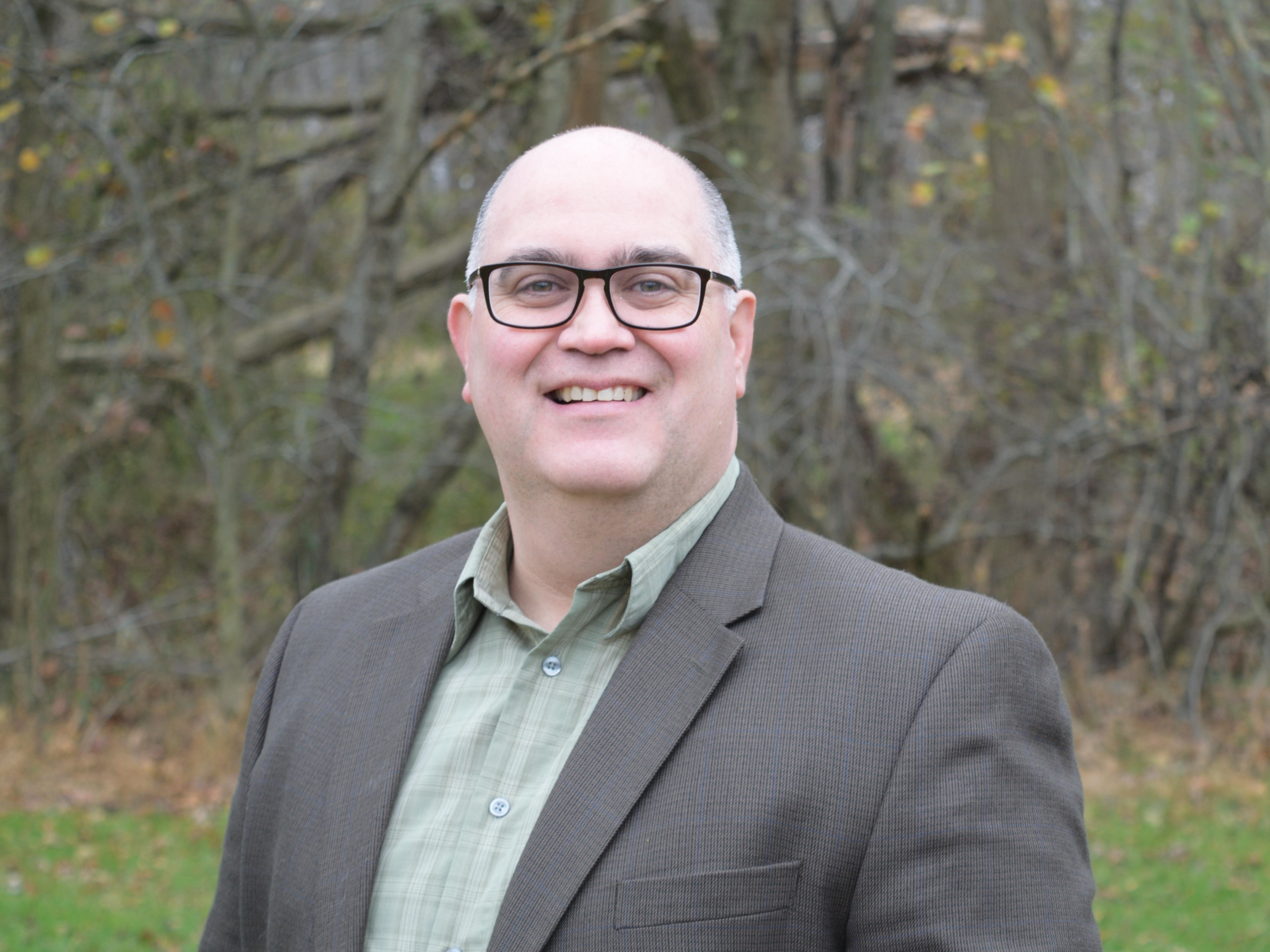


Jim Stapleton is the Senior Warden of USS New Jersey Lodge No. 62. He is also a member of the New Jersey Lodge of Masonic Research and Education No. 1786. Jim received the Distinguished White Apron Award from the Grand Lodge of New Jersey. He was awarded the Daniel Carter Beard Masonic Scouter Award. Jim is also a member of the Society of King Solomon.

From the archives: In Darkness, Wishing for Light

Expanding the Definition of Masonic Relief

by Midnight Freemason Emeritus Contributor
Bro Erik Marks

*Disclaimer: The following article cannot be used to diagnose or treat any condition, nor is it intended to imply, impart, or provide a clinical training process or be a substitute for professional care.*

In darkness, wishing for Light: expanding the definition of Masonic Relief. Erik Antony Marks, 32, LICSW (Originally published in a modified form in the Fall 2018 issue of Trowel Magazine for Massachusetts Masons: http://tiny.cc/TrowelMagazine).

Brethren, when we first kneel at the Altar of Freemasonry, we acknowledge we are in darkness. Ignorant to the teachings of this Gentle Craft, we supplicate the Worshipful Master and Brethren to aid our Psycho-Spiritual development by providing Light in and through Freemasonry. At other times in our journeys, we may know we are in a different kind of darkness, though perhaps uncertain as to how that darkness descended. As the rough ashlar, no person is immune to the ruffians of the mind and spirit, the mental or emotional afflictions of life: anxiety, depression, shame, trauma(s), substance abuse, loss, existential crises or those of faith, financial or relational distress can affect any of us, at any time. Any one of us may be experiencing these presently or know others who are or have. 

Within Freemasonry, the Charity and Relief we hold dear affirms to our Brothers there is always hope; that help awaits. I propose we support each other by providing a non-monetary, and possibly far more enduring, form of relief. Through discussion, education, and support about emotional and psychological distress it is my hope we will co-create stronger light to shine into the lives of our Brothers, their families, and our communities. To be clear: This missive has multiple purposes, 1) proposing an expansion the definition of what we consider charity or relief; 2) to help one another recognize signs emotional and mental health distress that manifest as part of our humanness and how to help by talking about these openly; 3) as a starting point to look for resources to be of assistance to those in need and 4) to identify when a Brother, Family Member, or Member of our Community may be at risk for death by suicide and direct them towards help. Approximately 45,000 people died by suicide in 2016 and is the fourth leading cause of death in the United States according to The National Institute for Mental Health. According to the Centers for Disease Control, rates are rising and offered this Technical Package on Suicide Prevention. I have heard it said suicide, a public health epidemic, is one of the most preventable. We are in a unique position to fulfill one of our primary missions and assist in prevention by sharing and expanding upon about what follows.

In Masonry we build, with ancient tools and modes of recognition, a trust and bond sufficiently solid to offer a strong grip to our brothers in distress. We could endeavor to lift (br)others back to the possibility of Light, so they, and we, may enjoy greater ease and efficacy in daily life. In the discharge of our obligation of relief to one another, I think it is essential to develop fluency in this conversation. The more we practice the words and phrases, the easier they become to perform. Consider these starting points toward an expand use of our tools:

First, gather information and have a plan. Notice changes in someone’s behavior and routine. Some changes or states may be obvious, some may be subtle depending on the person. It is more important to notice and respond than to try to figure out the reason someone is in darkness: a diagnosis or label is unnecessary for the provision of relief. In this expanded form of relief, our perception or notice of changes in their mood or behavior is the other’s “application,” to us for relief. Look for any of the following changes in (but not limited to): very high or low mood, sleeping too much or too little, appetite increase or decrease, isolation, irritability, too little or much energy, loss of interest in many or previously cherished things or activities, increased substance use, reckless behavior, statements of hopelessness or giving up.

Second, respond. One of the greatest gifts we can give is to listen deeply and attentively; one of the most valuable resources we provide is our time. Actively listen by making eye contact, emphasize phrases they use, ask for clarification, and paraphrase to confirm understanding. It is better to engage not knowing what to do than to not reach for the person at all. If you worry the person is such distress, they could be having thoughts of suicide, it is probable they already are and therefore essential to ask. Inquiring will not put the idea in their minds. To the contrary, knowing you are willing to say the words and ask the question signals to the person that you care enough to step into darkness with them and seek Light, together. It exemplifies, though word and action, that you have done your work to meet them on the five points: walk to where the person is, emotionally and/or physically. Steady their gait with yours. Stay in contact using beauty of your authentic words and strength of an open Heart. Then…speak the word(s). 

I’m allowing you to attach each point without saying them outright. Statements are sometimes made by people in distress that they or those around them might be “...better off if I was gone” or dead. This kind of statement, even if made “as a joke,” must always be taken seriously. Sometimes people will let such statements accidentally or unconsciously slip out and can be an opportunity to ask more. Other times, it is a direct request for help: our inquiry about what they feel and what they mean may not come in the public moment they make the statement, it may be prudent to step aside to inquire in a low breath. Asking in private increases the probability the person will feel comfortable and take your intention of care to heart. Though we are sworn to secrecy with regard to modes of recognition, do not let yourself be sworn to secrecy with regard to this information!

It may feel strange or uncomfortable at first, to ask about things more personal and private. Yet, we already have a method for this type of catechism. However, in this conversation, only our part may be practiced, the responses will be as unique and varied as each individual. Practicing with a brother or brothers before the words are needed, trading parts, will help with fluency, authenticity, integration, and ability to stay present when it counts:

“Hey, haven’t seen you in a while…could we get together this week?

“I’ve noticed you’ve seemed down lately…how’s it going?

“I get the sense something is really bothering you…”

“On the third…what’s going on?”

“Sometimes, when people are feeling what you’re describing, they can also feel hopeless, like giving up. Sometimes the idea of dying crosses their minds. Are you having thoughts like that?” If there are clear signs or statements of imminent threat to self or other, calling 911 is appropriate and caring.

Third, stay in contact and begin to seek more help using the following tools and ideas. Connecting with others and/or getting back to Lodge, Lodge of Instruction, other Fraternal events could be a good start. Share a meal, at home or out. Scaffolding the person and sharing the work with other Brothers lightens each individual’s labor. Psychotherapy or counseling are effective ways to address many of life’s challenges—though I think of the two as different, for the present purpose they can be used interchangeably as many people use them that way already. The premise behind this tool is to have a consultant who is practiced in addressing the complexity of how thoughts, emotions, and relationships can become painful or debilitating. With the therapist/counselor, two people pool their life experiences and expertise to consider how to improve things for the one seeking assistance. It’s a protected conversation to allow for more self-exploration and developing more personalized tools to help oneself. For some, clergy trained in a similar manner may be a more comfortable path to find assistance. A useful on-line resource to begin the search for a psychotherapist/counselor is https://www.psychologytoday.com/us/therapists. (Disclosure: I have no financial interest in this resource and am not listed as a provider on the site).

Medicine is a tool to be used in conjunction with psychotherapy or counseling. Many find that a combination of both simultaneously has the best outcomes depending on the presenting problem(s). Unless clearly indicated, I usually start without medicine and encourage people to introduce it when all other avenues are exhausted or if the person makes the request at the start or along the way. Some people prefer to start with medicine rather than talking. Psychiatrists or Nurse practitioners who specialize in mental health issues are the preferred provider. Alternately, many primary care providers now have experience prescribing medicine for anxiety or depression, and the pre-existing relationship may make it easier to start with this person; the primary care physician can also facilitate a referral if needed or recommended. Exercise and mindfulness-meditation are excellent self-interventions with little to no start-up cost and can be especially potent when enjoyed with a family member or Brother. There are numerous on-line or on-phone apps or resources with which to experiment to move towards healing. I’ve known people who have used a variety of alternative or adjunctive methods to help with symptoms or changes in mood—though beyond the scope of this article.

As Masons, we labor to manifest Charity through Brotherly love and affection. Reaching into the darkness to offer companionship and light might be one of the most powerful expressions of Relief we have to offer. Who would not come to the aid of a Brother? Not letting him sit alone at lodge is analogous to not letting him sit in the metaphorical north of his inner lodge or temple. If we suspect or notice distress and know that stepping into darkness is further than our cable tow will allow, we communicate, alert other brothers, family members, and/or professionals who may have resources of time, means, or experience to respond. I encourage commitment to having this conversation with one another in an ongoing way to extend how think of what is Charitable. We can exchange information and experience about the previously secretive topics of emotional and mental health throughout our jurisdictions in the service of greater relief. I have faith that we can work together to build a stronger structure from which to shine The Light for our Brothers and Communities.

Brother Erik A. Marks, 32ยบ, LICSW, is a clinical social worker whose usual vocation has been in the field of human services in a wide range of settings since 1990. He was raised in 2017 by his biologically younger Brother and then Worshipful Master in Alpha Lodge in Framingham, MA. You may contact brother Marks by email: erik@StrongGrip.org

The True Contents of the Hourglass


by Midnight Freemason Contributor
Robert E. Jackson, PM


There is a story I've heard a couple of times recently about a great leader seeking enlightenment from the local sage. Now, I'm going to paraphrase it here, so please don't flog me if I miss something. However, the gist is, the sage was sought after by many, as he was known to provide great truths and guidance to people on their path. The visitor, puffed up with his own knowledge and leadership positions, approached the sage and demanded to know the way (no, I don't believe the teacher in this story is a Mandalorian). The sage kindly invited the man inside for tea, and while pouring the tea for his visitor, the tea started overflowing. The cup was full and could hold no more. The new visitor exclaimed to the sage, "dude, stop pouring the tea, the cup is full, and the tea is running everywhere." The sage, calmly and coolly, looked at his new student and simply said, "Come back to me when your cup is empty."


If we flip this story, it reminds me of a concept taught to many young people (at least, many young people I've known). The concept is, when somebody is sad, their bucket is empty. They need a drop in their bucket to cheer them up. Now, that drop could be anything…it could be monetary, but a simple smile, or the comfortable feeling of a friend’s handshake (man, it’s been too long), might have a greater and longer-lasting impact. You could argue, and I did this with myself, that these stories have nothing in common. However, with the overlap of one of our working tools, a thought came to me. Based on the title, I imagine you can guess the Hourglass.


For Freemasons, the Hourglass is a symbol of time. Certainly, the hourglass was and remains to be a timekeeper. Carefully crafted with two bulbous ends (or vessels) filled with the exact amount of sand necessary for the calculated duration. When vertically positioned, the sands from the top vessel slowly drop. When the last grain has fallen, so have we. However, if we balance that hourglass equally on both sides, perhaps peace can be found. Removing ourselves from time, we just might be able to escape the depression of our historical stories or the anxiety of our imaginative future. At this very unique time, the vessels of the hourglass are neither empty nor full. That moment where time stops may be an incredible panacea, but we know from Heraclitus that the only thing constant is change. Therefore, even if we were able to hold the hourglass in perfect balance, life events would disrupt that balance, and the sands of time would start flowing again.


Perhaps, instead of seeking that stasis, we need to contemplate the fluidity of the hourglass. As the instrument leans to one side or the other, the ‘bottom’ vessel begins to fill. Eventually, the vessel will become so full that it will be difficult to shift the balance and allow the vessel to empty. In that more heavily weighted end of the hourglass, I see our most concrete and closely held beliefs, the things that weigh us down in life. The heavier that end of the hourglass becomes, the more difficult it can be to loosen the grasp on those tightly held beliefs, and eventually, our teacup will begin to overflow. 

Confirmation bias, and the quest for more evidence to reaffirm our existing thoughts, only throw more weight into this side of the hourglass, more tea into the cup. So how do we let go of the weight in this vessel? I propose that we share those beliefs, display and bestow those ideas with others, not in an effort to convince, but to learn. The result can be a beautiful mixture of those grains of sand, enhancing our own beliefs and ideas with others' beliefs and ideas, to be received and enhance the contents of your own cup.

Returning to the childhood lesson with a drop in the bucket, I personally see these as acts of Love and Kindness. When you share your Love with others, when you share your Kindness, you're taking the Love within your own cup and sharing it with others. If you’re unwilling to share that Love, your ability to receive love will be impacted. After all, if your cup is full of your own Love, how can anybody else offer a drop in that bucket? Furthermore, it seems all too often these days we are looking for mineral or metallic ways to satisfy that Love. It could be money, drugs, video games, etc. Those passions which we may find so difficult to subdue. Additionally, perhaps we can Love ourselves so much, filled with the illusion of superiority, along with the materialistic desires, that the cup has been filled and unwilling to receive the Love of others. 
I would like to assert that as we are pushed to extremes, as we tilt that hourglass more into one direction or the other, the more difficult it becomes to live in harmony with our friends, Brothers, and families. The view of balance has always been difficult for me to adhere to, but there is balance if we observe the sun and the earth. For half of the year, one part of the earth sees more light than darkness. For the other half, the hemispheres switch. However, at no point in time is the earth completely enveloped in darkness nor light. One cannot live without the other (there are always two, just like the Sith). The more we are solidified in our conclusions, away from the ‘child’s mind,’ the more difficult it is to share compassion and Love for those who are different. Likewise, the more ‘things’ we Love, the more emotional and physically attached we become, and less open to accepting and understanding opposing views. Now, I’m not saying that there is a quantitative and measurable amount of possible Love or intelligence (oh, wouldn’t that be nice if we just KNEW). But what I am saying relates to a parable that a dear friend once told me…imagine yourself holding a glass (think beliefs or material desires), and we hold that glass so tightly. There is such a fear that if we release that glass, it will fall and shatter. Now, do you really have a hold on that glass, or does the glass have a hold on you?

~REJ

Robert Edward Jackson is a Past Master and recovering Secretary of Montgomery Lodge located in Milford, MA. His Masonic lineage includes his Father (Robert Maitland), Grandfather (Maitland Garrecht), and Great Grandfather (Edward Henry Jackson), a founding member of Scarsdale Lodge #1094 in Scarsdale, NY. When not studying ritual, he's busy being a father to his three kids, a husband, Boy Scout Leader, and a solutions engineer to pay for it all. He can be reached at info@montgomerylodge.org.